Blog
JDM Engines vs USDM Engines: Which Is Better for Performance and Reliability?

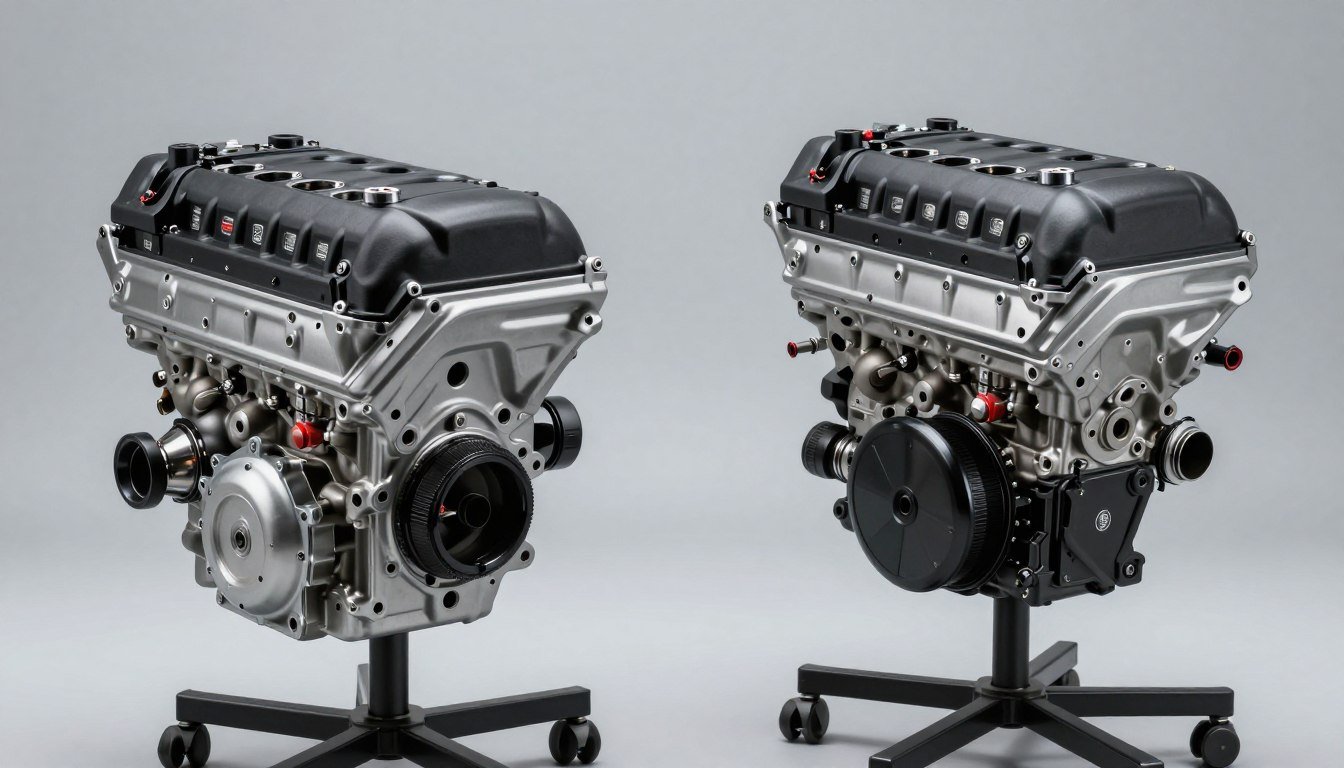
When upgrading your vehicle or replacing an engine, the choice between Japanese Domestic Market (JDM) and US Domestic Market (USDM) engines can significantly impact performance, reliability, and your overall driving experience. Both options have distinct characteristics that make them suitable for different needs and preferences. This comprehensive comparison will help you understand the key differences and make an informed decision for your specific situation.
What Are JDM and USDM Engines?
JDM Engines Explained
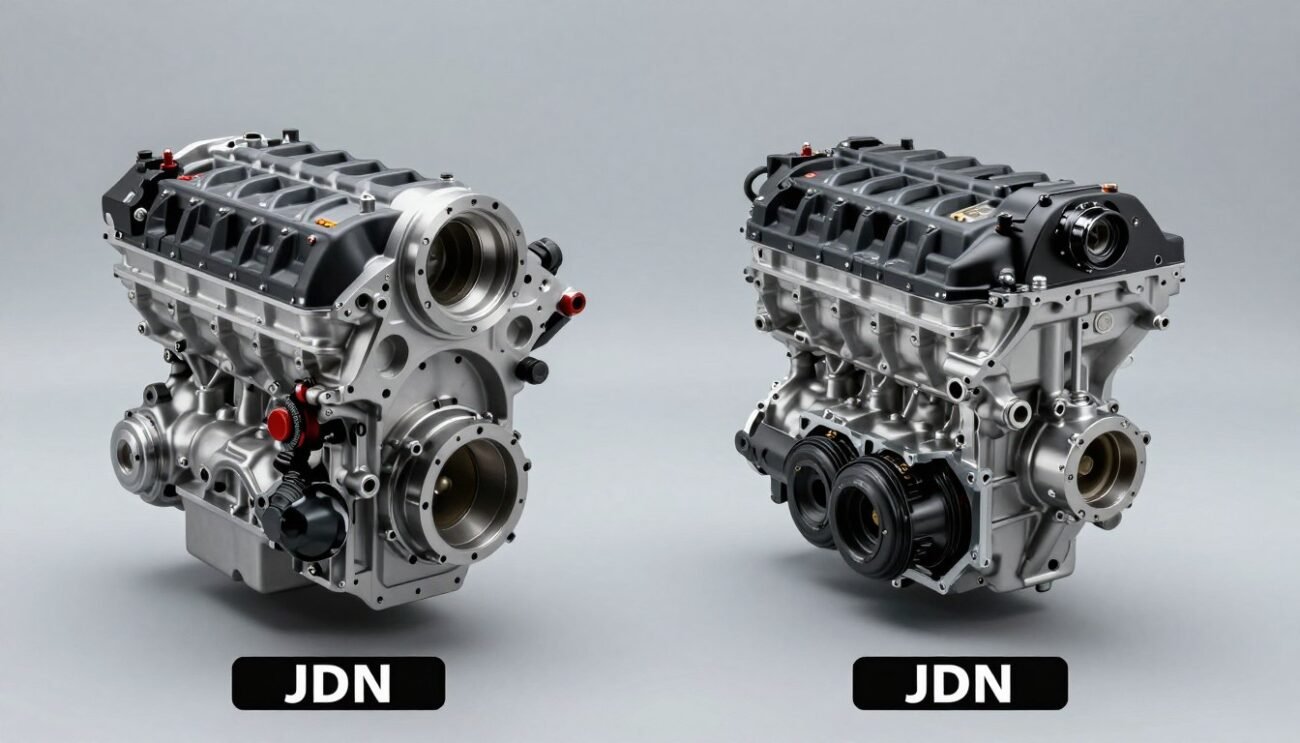
JDM stands for Japanese Domestic Market and refers to engines originally designed and manufactured for vehicles sold in Japan. These engines are often sought after by enthusiasts for their unique specifications, performance characteristics, and in many cases, lower mileage due to Japan’s strict vehicle inspection system (shaken).
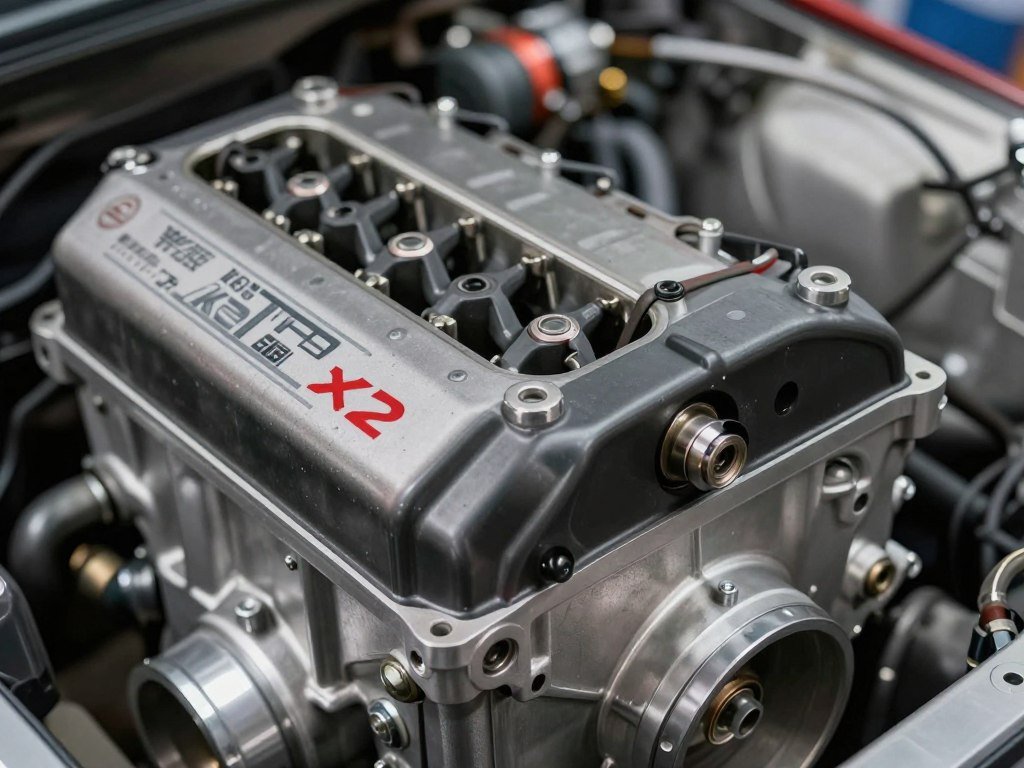
JDM engines often feature different compression ratios, camshaft profiles, and intake/exhaust systems compared to their USDM counterparts. Many JDM engines were designed with performance in mind, as Japanese domestic vehicles frequently had more powerful engine options than their exported equivalents.
USDM Engines Explained
USDM refers to United States Domestic Market engines that were specifically designed for vehicles sold in the American market. These engines are built to comply with US emissions standards and are optimized for American driving conditions and fuel quality.
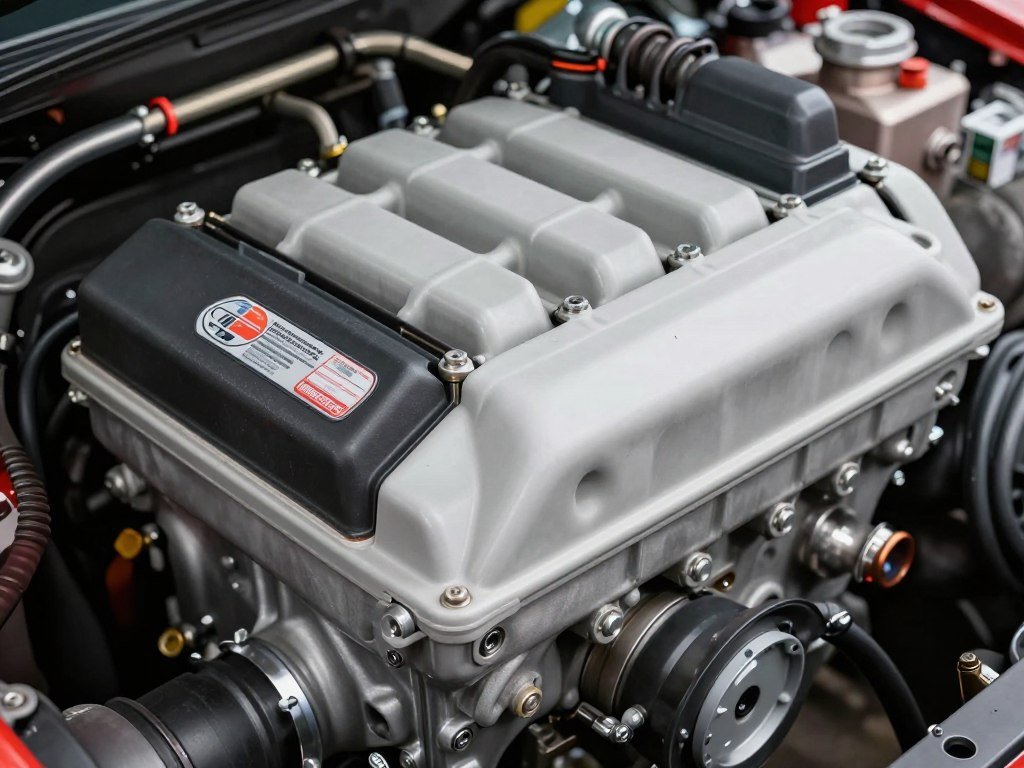
USDM engines typically prioritize emissions compliance, fuel economy, and low-end torque for American driving habits. They often have different engine management systems and may include additional emissions control devices not found on their JDM counterparts.
Key Differences Between JDM and USDM Engines
| Feature | JDM Engines | USDM Engines |
| Compression Ratio | Often higher (9.7-11.0:1) | Typically lower (9.0-10.5:1) |
| Camshaft Profile | More aggressive for higher RPM power | Milder for better low-end torque |
| Intake Manifold | Often aluminum with performance design | Typically plastic/composite for economy |
| Emissions Equipment | Less restrictive, different standards | More comprehensive for EPA compliance |
| Engine Management | Tuned for premium fuel and performance | Calibrated for US fuel and emissions |
| Typical Mileage | Lower due to Japan’s vehicle regulations | Varies widely based on vehicle history |
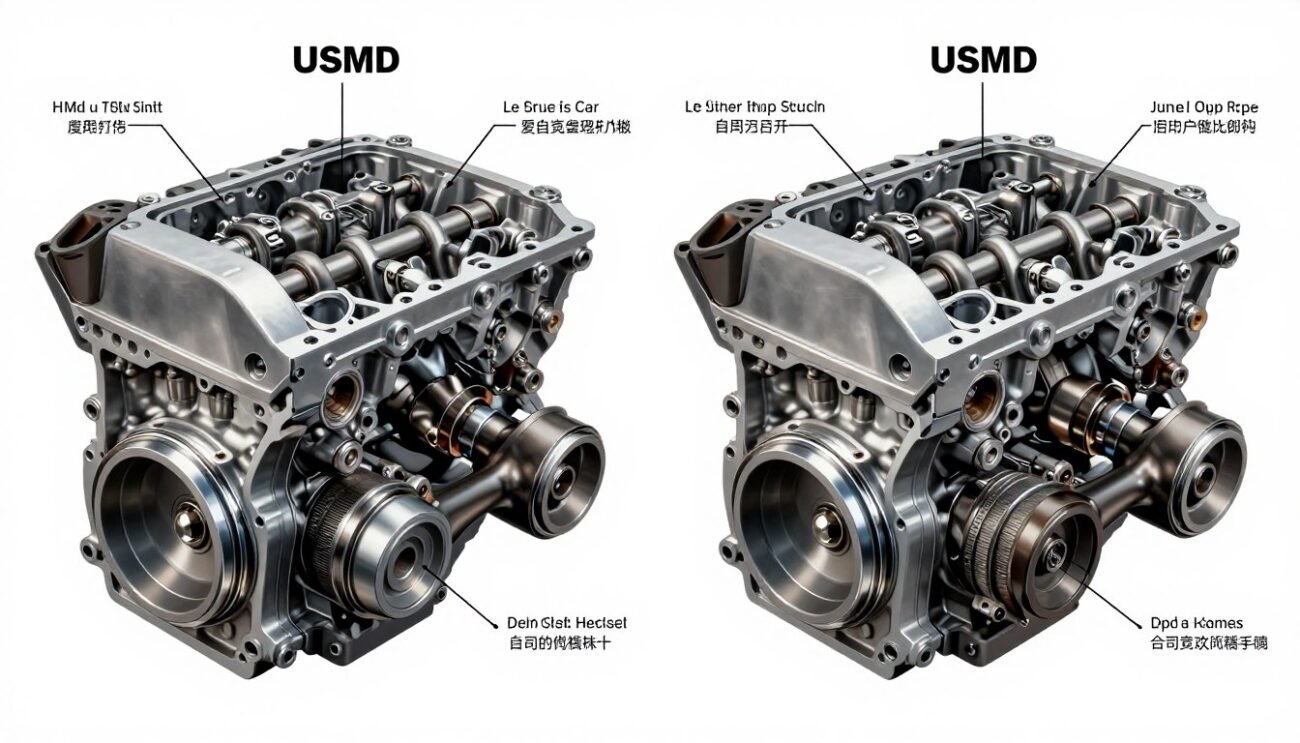
Performance Comparison: JDM vs USDM
Power and Torque Characteristics
JDM engines often deliver more horsepower at higher RPMs due to their performance-oriented design. They typically feature more aggressive camshaft profiles, higher compression ratios, and better-flowing intake and exhaust systems. This makes them ideal for enthusiasts who enjoy high-revving engines and spirited driving.
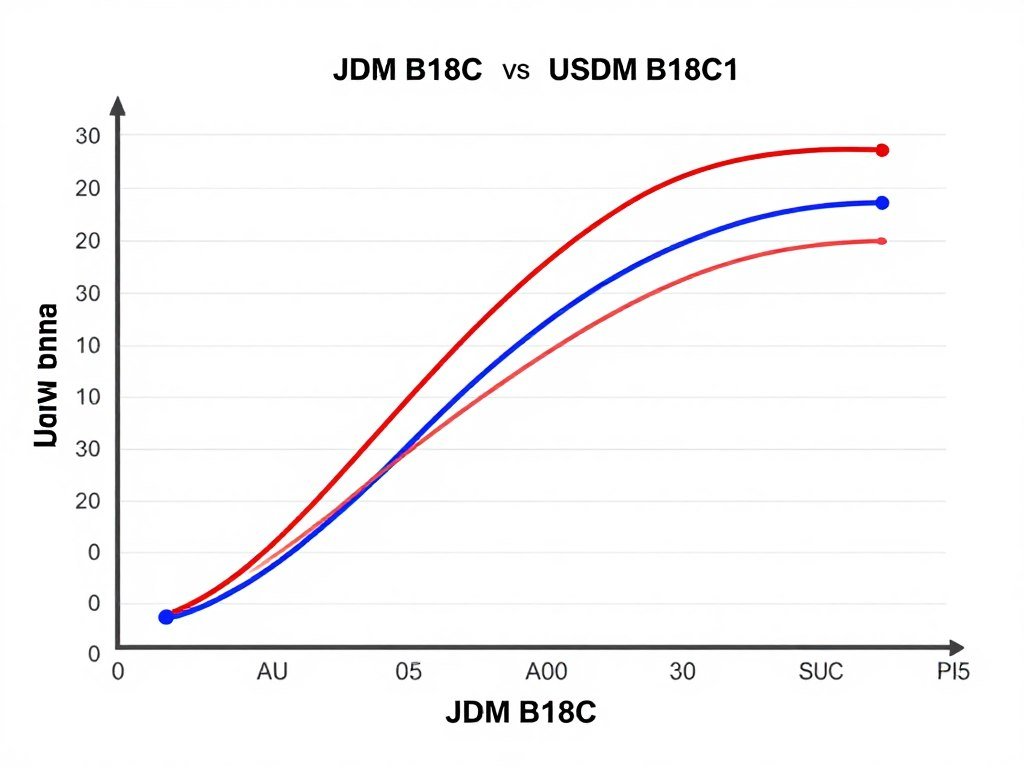
USDM engines, on the other hand, generally provide more low-end torque and smoother power delivery for everyday driving. They’re designed with American driving habits in mind, prioritizing highway cruising and city driving over track performance.
Fuel Efficiency and Emissions
JDM engines often achieve better fuel economy despite their performance focus. This is partly due to their higher compression ratios and more efficient combustion. However, they’re designed for Japan’s higher-quality fuel standards, which may require premium fuel in the US.
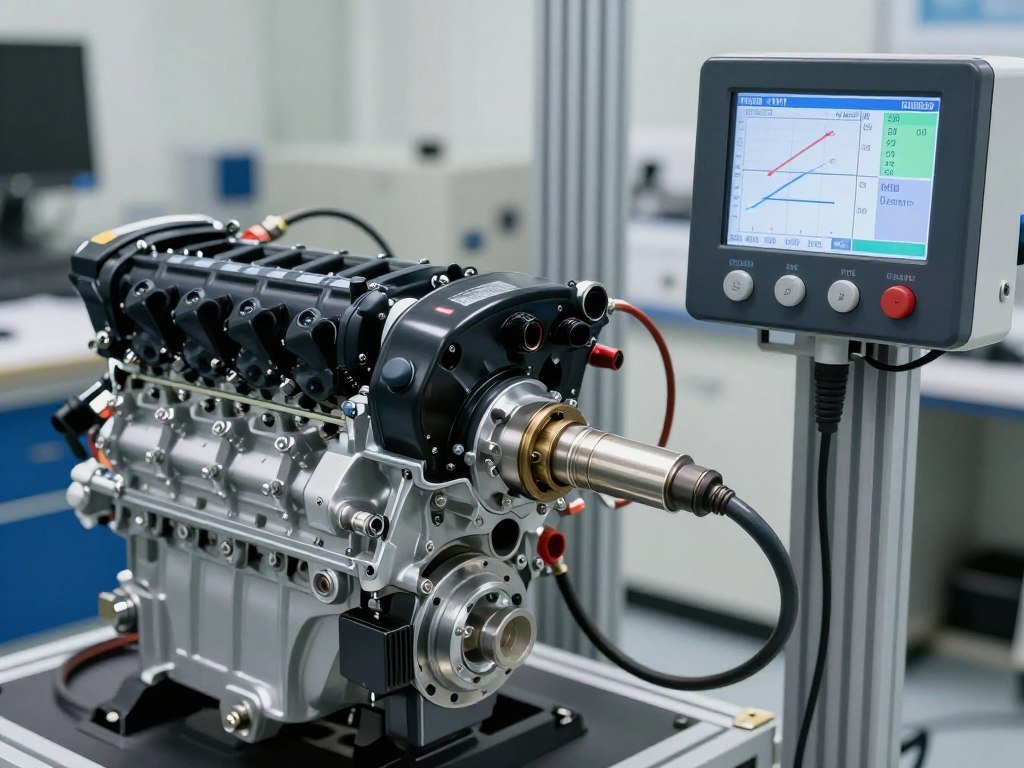
USDM engines are specifically calibrated to meet strict US emissions standards. They include additional emissions control systems that may slightly reduce performance but ensure compliance with environmental regulations. This makes them more straightforward for passing emissions tests in states with strict requirements.
Looking for Superior JDM Engine Performance?
At Arthur Gonzalez JDM Engines, we specialize in importing and testing the highest quality JDM engines with verified performance specifications. Our expert team can help you select the perfect engine for your performance goals.
Browse Our JDM Engine Inventory
Reliability Comparison: JDM vs USDM
JDM Engine Reliability Advantages
- Often lower mileage due to Japan’s strict vehicle inspection system
- Many feature forged internal components for greater durability
- Designed for higher-quality fuel, reducing carbon buildup issues
- Performance models often have improved cooling systems
- Typically well-maintained in Japan’s meticulous service culture
USDM Engine Reliability Advantages
- Easier parts availability throughout the United States
- Designed specifically for US fuel quality and driving conditions
- More familiar to US mechanics for diagnostics and repairs
- Complete service history often available
- No adaptation required for US emissions systems
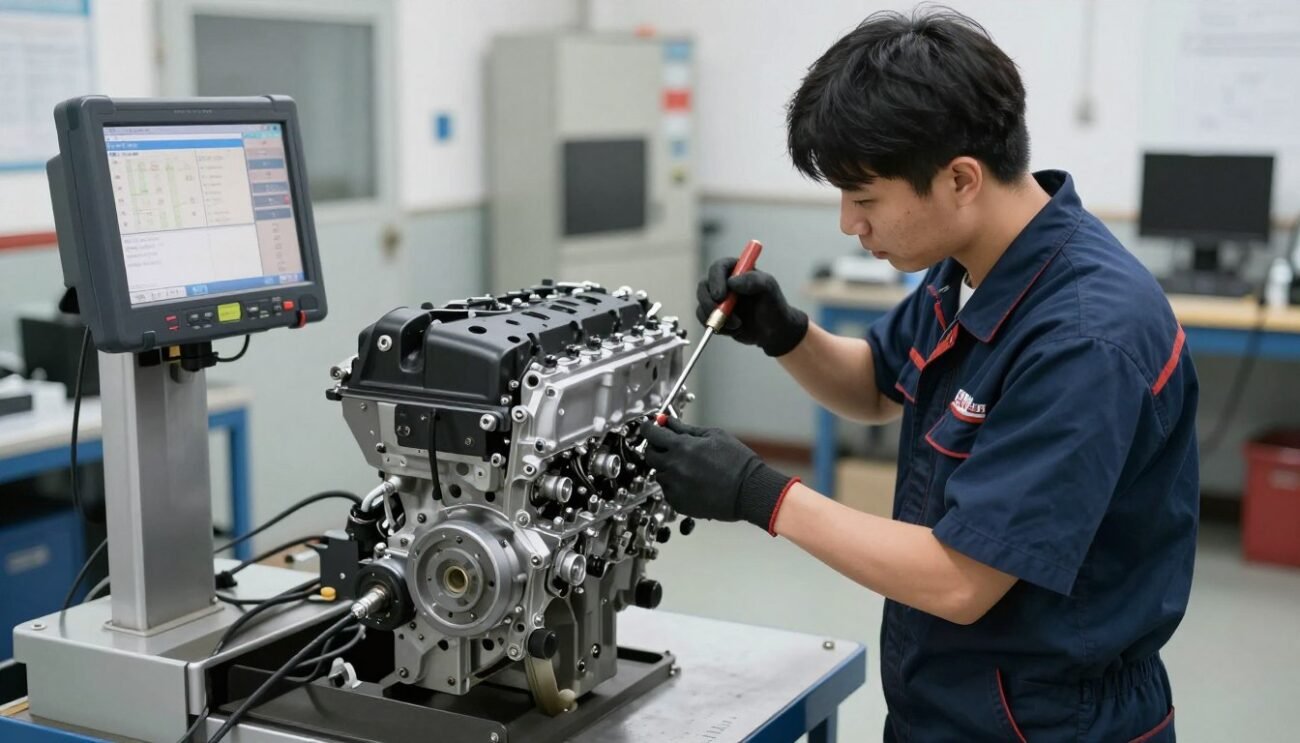
When it comes to long-term reliability, both engine types can provide excellent service when properly maintained. However, JDM engines often have an edge in terms of initial condition and build quality, especially for performance-oriented models. The lower mileage and stricter inspection standards in Japan mean many imported JDM engines have seen less wear than comparable USDM engines of similar age.
“The reliability advantage of JDM engines often comes from their lower mileage and the fact that performance variants frequently include stronger internal components that were never offered in US models. This makes them particularly valuable for enthusiasts looking to build high-performance vehicles.”
Popular JDM vs USDM Engine Comparisons
Honda K-Series
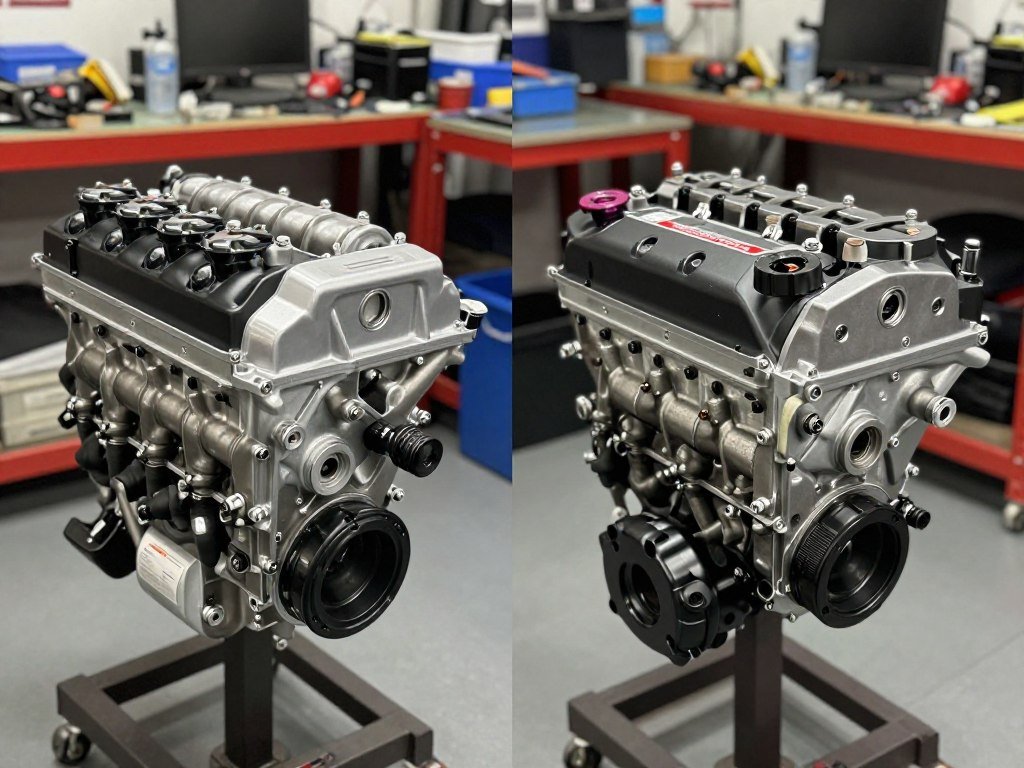
JDM K24A engines often feature higher compression ratios, aluminum intake manifolds, and different cam profiles compared to USDM K24A2/A4 variants. The JDM versions from the Accord Euro R are particularly sought after for their performance potential.
Toyota 2JZ
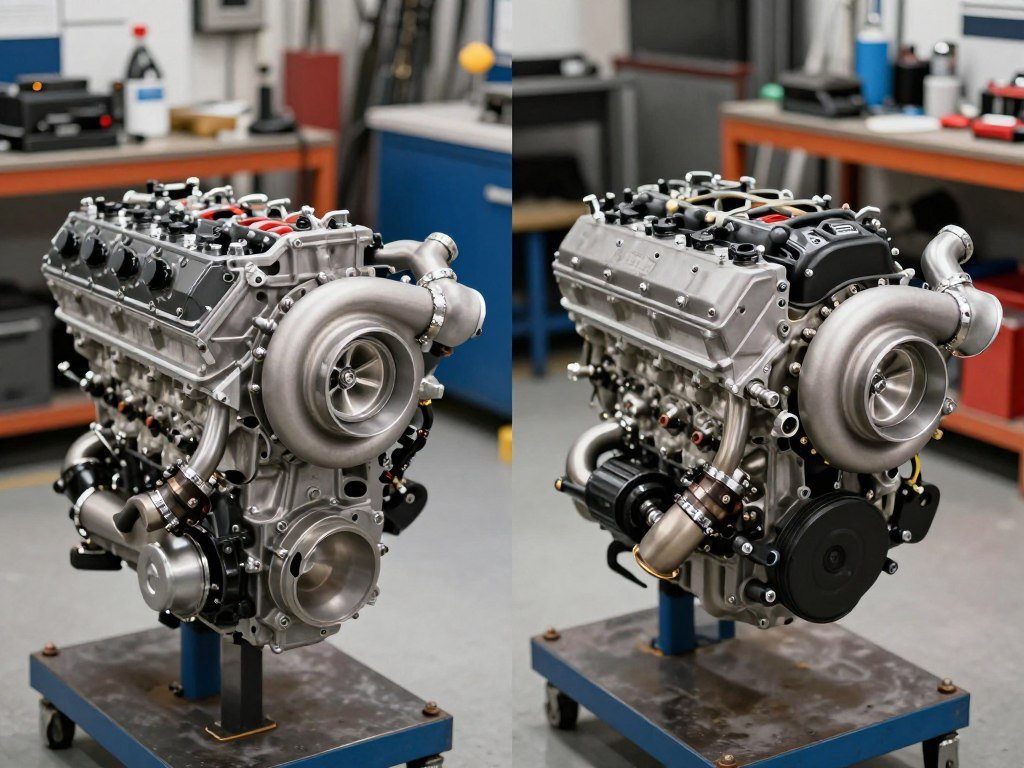
The JDM 2JZ-GTE features different turbochargers, a more efficient intake manifold, and less restrictive exhaust compared to USDM versions. JDM variants often produce more power while maintaining the legendary reliability the platform is known for.
Nissan SR20
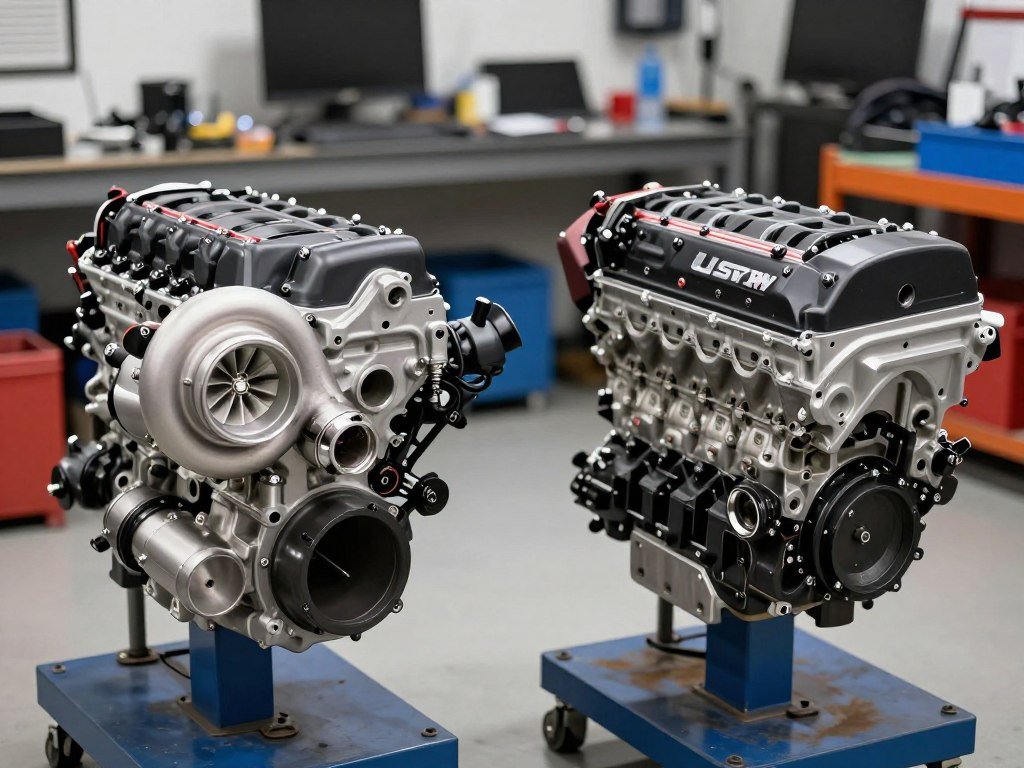
The JDM SR20DET is a turbocharged variant that was never officially offered in USDM vehicles. It provides significantly more power potential than the naturally aspirated USDM SR20DE, making it a popular swap option for Nissan enthusiasts.
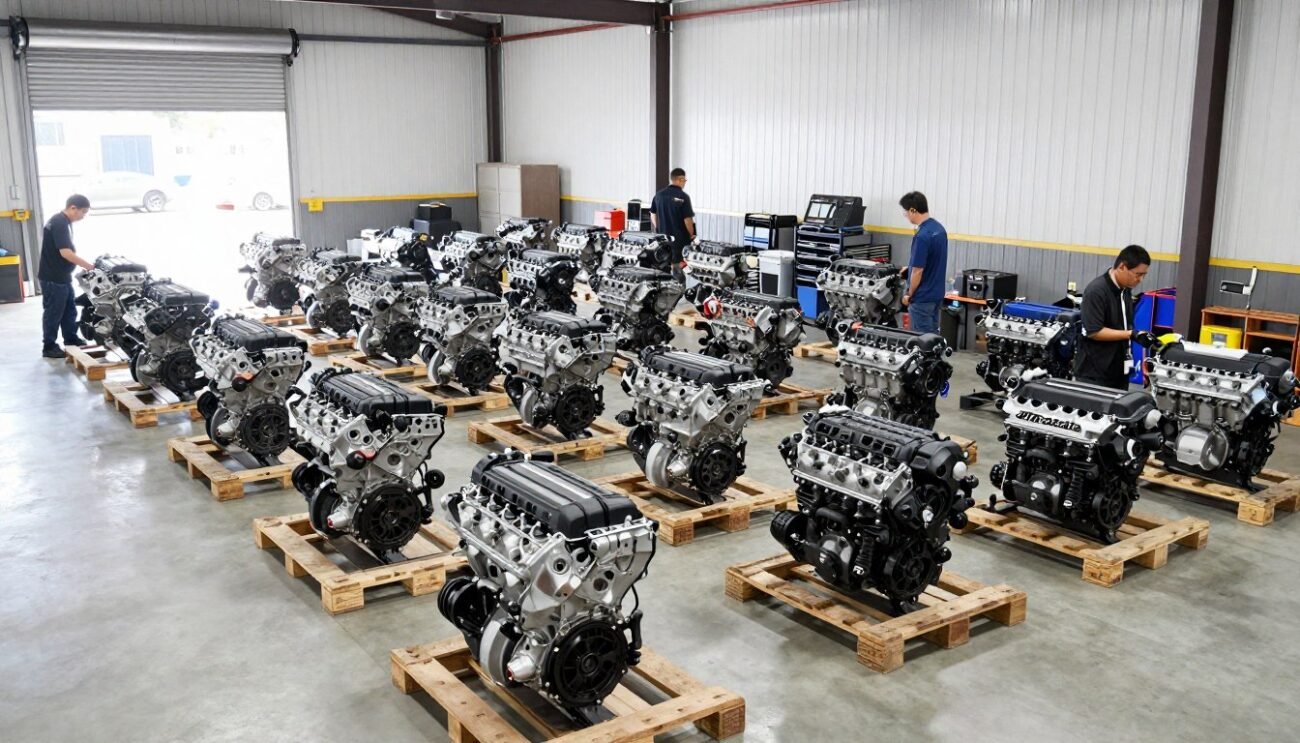
Installation and Compatibility Considerations
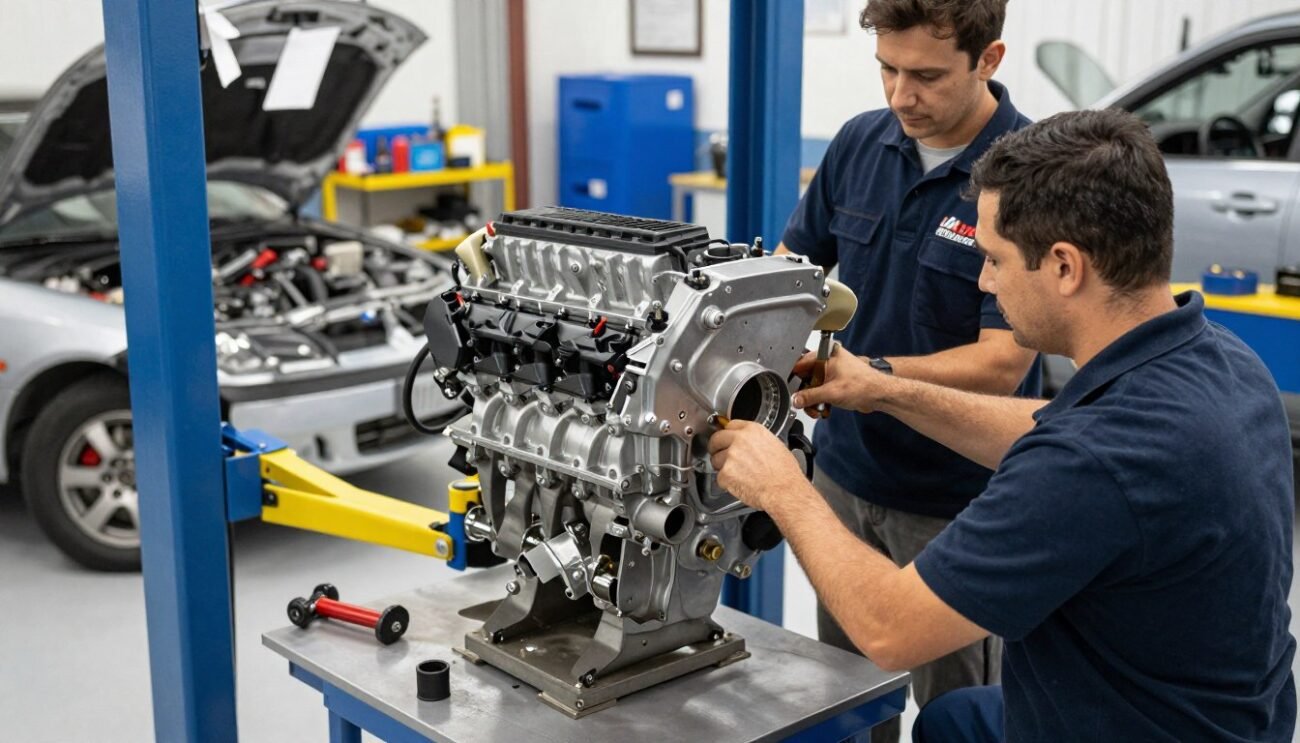
Important: Before purchasing a JDM engine, it’s crucial to understand the compatibility factors with your vehicle. While many JDM engines can be direct replacements for their USDM counterparts, others may require additional modifications or adaptations.
Wiring and ECU Compatibility
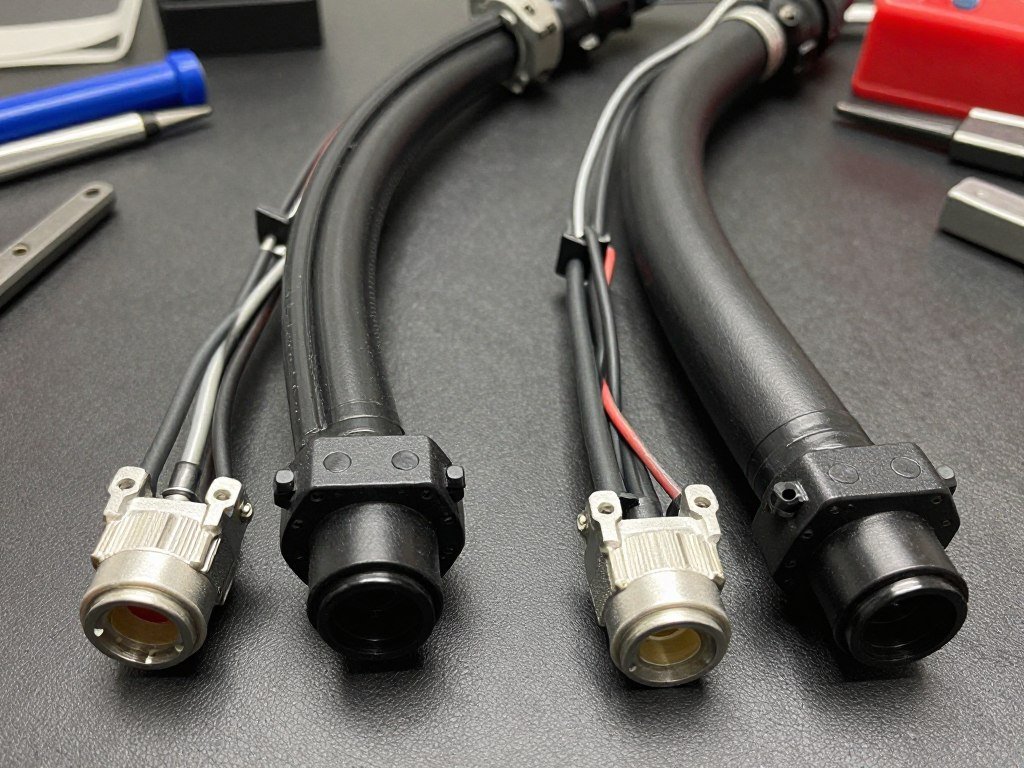
JDM engines often use different wiring harnesses and ECU (Engine Control Unit) configurations compared to USDM engines. This may require adapters, rewiring, or even ECU swaps to ensure proper functionality. Professional installation is recommended unless you have significant experience with engine swaps.
Mounting and Accessories
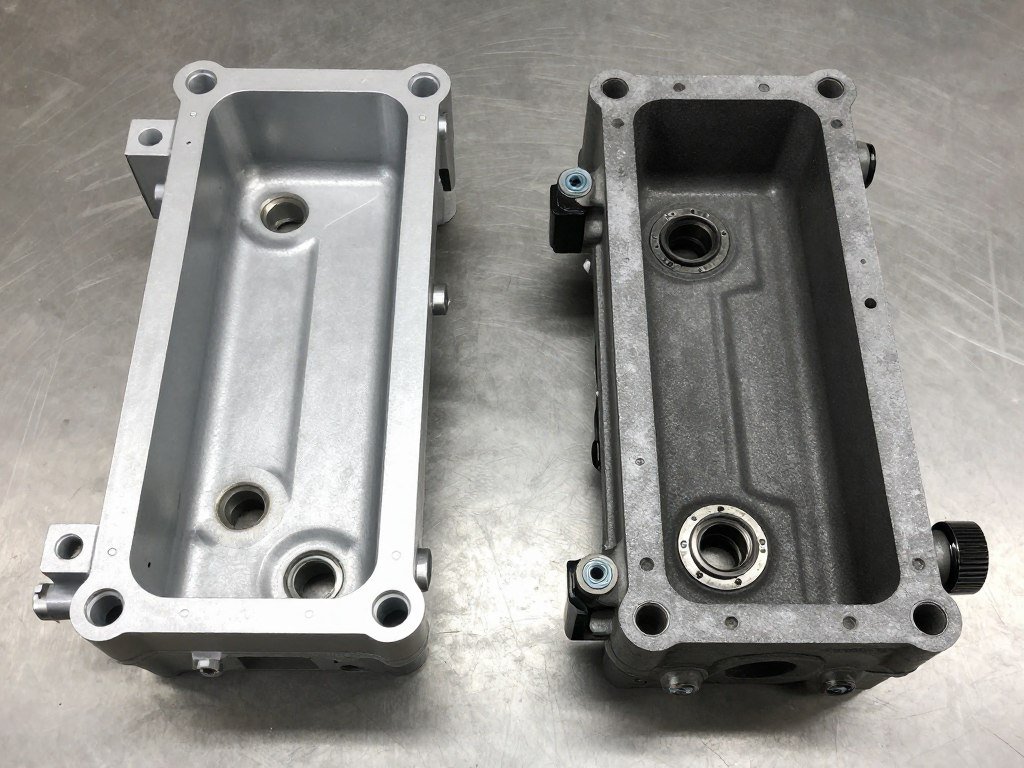
While the core engine block and head may be similar, JDM engines might have different mounting points, accessory brackets, or power steering/AC compressor configurations. These differences can sometimes require additional parts or modifications to fit properly in a USDM vehicle.
Need expert advice on JDM engine compatibility with your vehicle?
Maintenance and Parts Availability
JDM Engine Maintenance
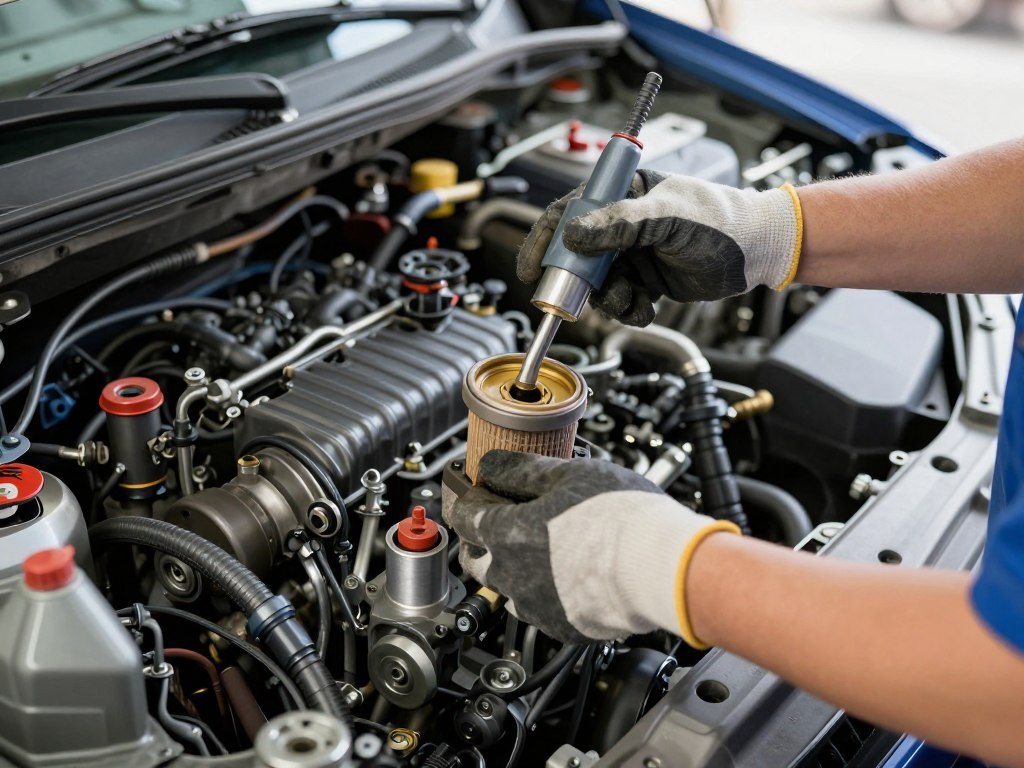
Maintaining a JDM engine may require some specialized knowledge and occasionally JDM-specific parts. However, many maintenance items like filters, spark plugs, and fluids are identical or have readily available equivalents. The key difference often comes when dealing with engine-specific components like sensors or intake/exhaust parts.
Parts Availability Comparison
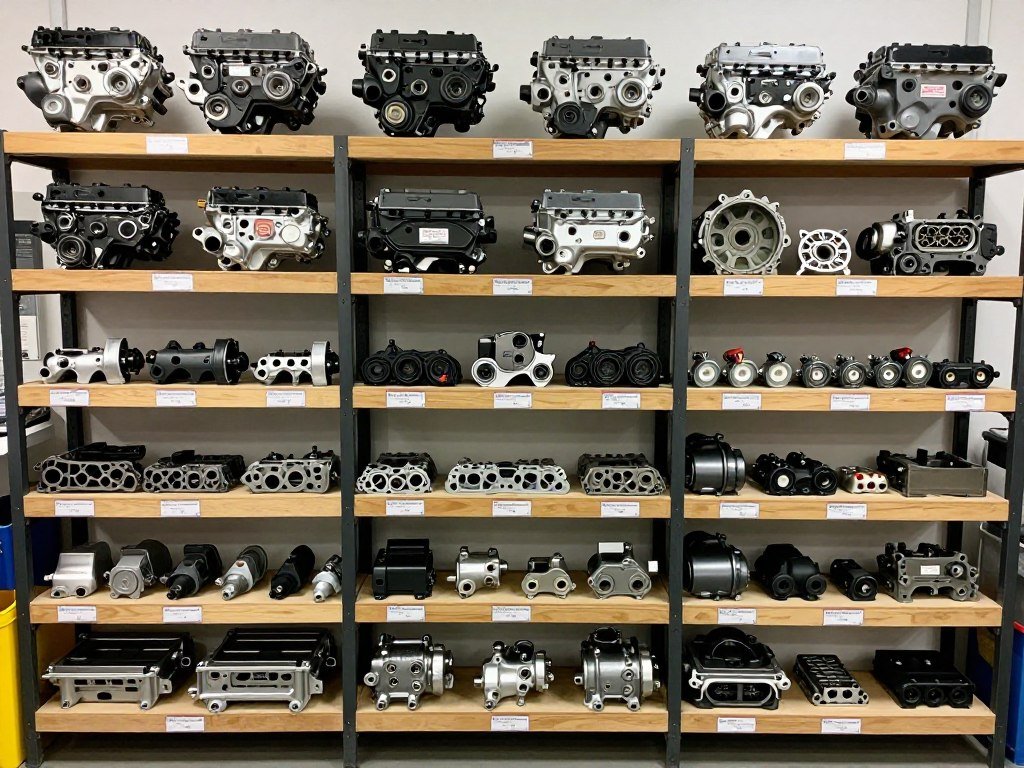
USDM engines generally have better parts availability through local auto parts stores and dealerships. JDM-specific components may require ordering from specialized suppliers or directly from Japan. However, the growing popularity of JDM engines has significantly improved parts availability in recent years.
Pro Tip: When purchasing a JDM engine, consider buying essential maintenance parts at the same time. Items like timing belts, water pumps, and gaskets are often worth replacing preventatively during installation, even if the engine is low-mileage.
Cost Comparison: JDM vs USDM Engines
JDM engines typically cost more initially than comparable USDM engines due to import costs and their desirability. However, when considering the performance potential, lower mileage, and often superior build quality, they frequently represent better value in the long run, especially for performance applications.
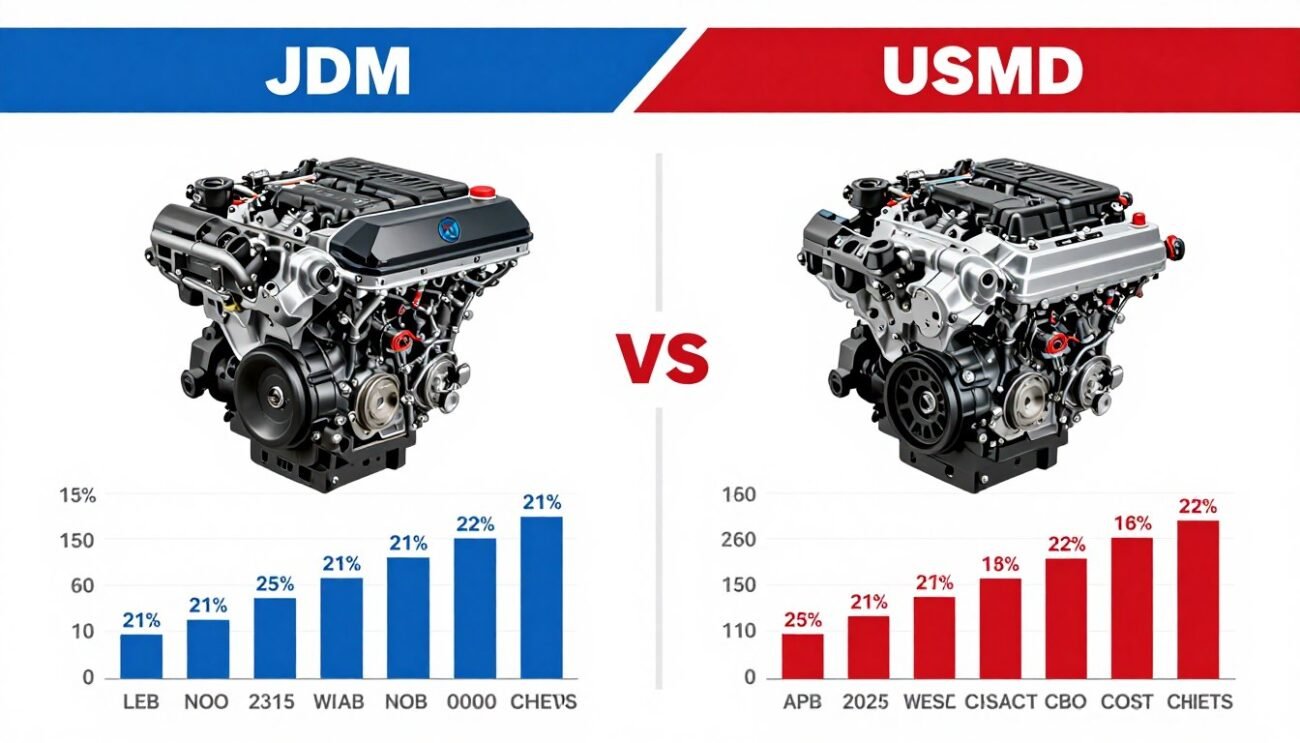
For those seeking maximum performance, the cost of upgrading a USDM engine to match JDM performance levels often exceeds the premium paid for a JDM engine. This makes JDM engines particularly attractive for serious enthusiasts and those building project cars.
Which Is Better: JDM or USDM Engines?
The answer to which engine type is better ultimately depends on your specific needs, goals, and budget. JDM engines generally offer advantages in performance potential, condition (lower mileage), and unique specifications not available in the US market. USDM engines provide benefits in terms of parts availability, emissions compliance, and straightforward installation.
- Maximum performance potential
- Lower mileage engines
- Unique specifications not available in USDM
- Higher-quality internal components
- Engines from performance-oriented JDM models
Choose JDM If You Want:
- Easier parts availability
- Simpler emissions compliance
- Direct drop-in replacement
- Lower initial cost
- Familiar service and maintenance
Choose USDM If You Need:
For enthusiasts seeking the best performance and unique characteristics, JDM engines often represent the superior choice despite the potential for additional installation complexity and higher initial cost. The performance advantages, build quality, and lower mileage typically outweigh these considerations for serious automotive enthusiasts.
Ready to Experience the JDM Advantage?
At Arthur Gonzalez JDM Engines, we offer a wide selection of premium, low-mileage JDM engines with verified history and comprehensive testing. Our expert team provides installation guidance, parts recommendations, and ongoing support to ensure your engine performs flawlessly.
Frequently Asked Questions About JDM vs USDM Engines
Are JDM engines legal in all US states?
JDM engines are legal for use in most states, but compliance with emissions regulations varies. California and states following CARB standards have stricter requirements. Our team can advise on compliance options for your specific location.
How can I verify the mileage on a JDM engine?
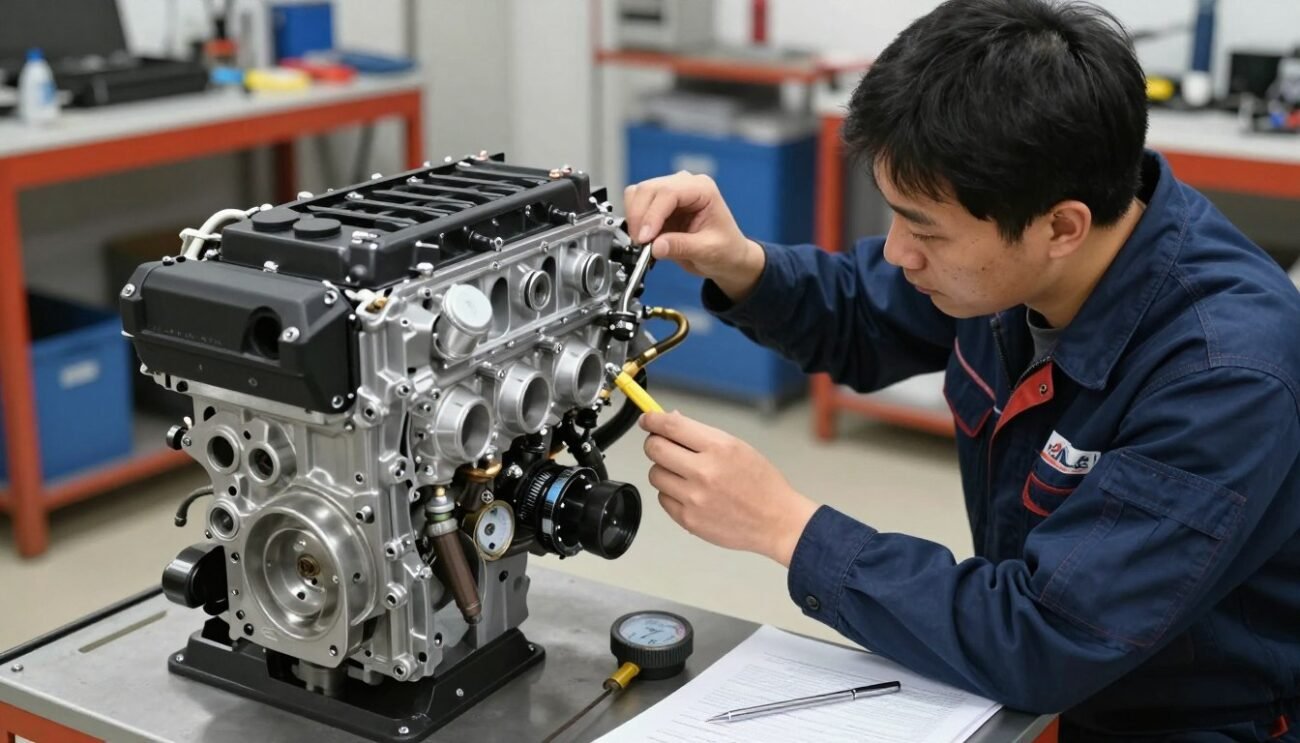
Reputable JDM engine suppliers like Arthur Gonzalez JDM Engines provide auction sheets and documentation verifying the source vehicle’s mileage. We also perform compression and leak-down tests to confirm the engine’s internal condition matches the reported mileage.
Will a JDM engine fit directly in my USDM vehicle?
Many JDM engines are direct physical replacements for their USDM counterparts, but often require wiring adaptations, ECU considerations, and occasionally mounting modifications. We provide detailed compatibility information and can recommend necessary adaptation components for your specific vehicle.
Do JDM engines require special maintenance?
JDM engines generally follow the same maintenance schedules as their USDM counterparts. However, they may benefit from higher-quality oils and fuels due to their higher compression ratios and performance-oriented design. Our team provides detailed maintenance recommendations with every engine purchase.